
Gender Determination
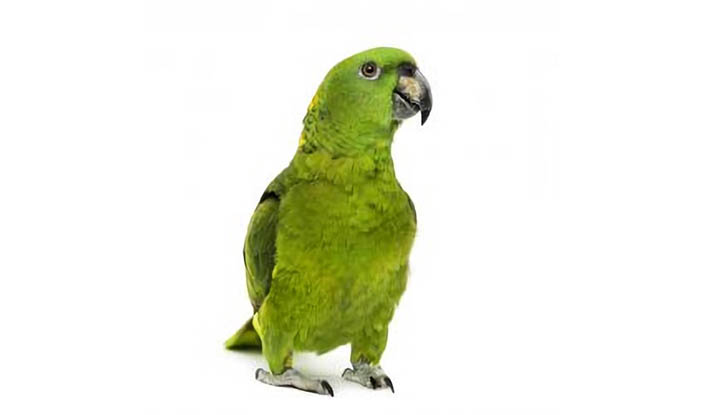
Many birds are sexually monomorphic; this means that the appearance of male and female birds is very similar. In these species the gender of the bird can only be determined by endoscopic or DNA sexing or by seeing the bird laying eggs.
Knowing the sex of the bird is essential for breeders but it also useful for pet birds too. Some bird diseases are sex related (e.g. egg binding, ovary or testicle problems, hormonal problems), therefore knowing the sex of your bird is sometimes very important.
DNA sexing
The DNA is the genetic material within the cells and it is different in male and female birds. DNA sexing can be performed with blood, feather or even eggshell samples. Blood from birds is an ideal source of DNA and for many years a blood sample was the only way to collect a DNA sample. However collecting a blood sample is inconvenient and difficult. With recent advances in DNA technology, we can now extract enough DNA from just a few plucked feathers to be able to test the sex. Feathers for bird DNA sexing must be physically plucked; moulted or fallen out feathers cannot be used for this test. Both blood and feather samples are equally reliable and provide the same level of testing accuracy.
Endoscopic sexing
The endoscopic examination uses a special small camera to examine inside a hollow organ or cavity of the body. The endoscopic examination of the internal organs is a minimally invasive surgical procedure (also known as “keyhole surgery”). During the endoscopic sex determination our veterinarian anaesthetizes your bird and makes a very small (3mm) on the left side of the body of the bird. Through this hole the sterile endoscope is inserted into the body cavity of your bird. A digital camera is attached to the endoscope and the internal organs of your bird can be seen as a magnified image on a monitor. This should allow the surgeon to see and identify the ovary or the testicle of your bird. The advantage of this method is that it provides much more information than only the sex of the bird because our veterinarian can visually examine all the internal organs (liver, kidney, spleen, intestines, lung and air sacs) and can identify hidden problems.