Weight Monitoring
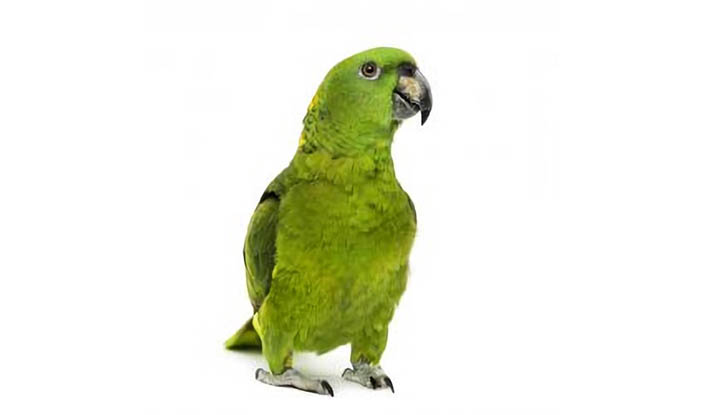
Obesity is a very common problem in pet birds. In our hospital the most common species we see with this problem are amazon parrots. However cockatiels, cockatoos and budgerigars could be the victims. Obesity in birds could be defined as a weight that exceeds the optimum weight by 15% or more.
The causes of obesity in birds are similar to those in humans: excess calorie intake (eating too much) and lack of exercise. It is more common in older birds because an older bird may become lazier and the owner may not play with the bird as often or not let the bird out of the cage to exercise.
Unfortunately, in Hong Kong due to small home sizes the cages of the birds are also too small and their size does not let the birds fly or exercise. In one hand, the trimming of the wing feathers could help to tame the birds and could prevent accidents (e.g. escaping or flying to windows), on the other hand if the bird can’t fly it needs much less energy and can become obese more easily. At the end of the day low activity levels may result in weight gain.
Our hospital offers nutritional and weight loss advice to our patients either in consultations or a health check appointment.
During your bird’s first appointment, the vet will weigh your bird and set a target weight. This will be based on the bird’s species, age, health and individual needs. The vet will set a target weight and a time span to lose the weight over, then recommend diet changes and an exercise plan for you bird.
After the first appointment, your pet will require regular re-checks with the veterinarian so we can assess their progress and make any adjustments needed to their food.
Usually we will see your bird on a monthly basis, and when they reach their target weight, the vet will reassess your bird’s dietary requirements to help you maintain them at their ideal weight.