
Health Checks
Even though it is not necessary to vaccinate your pet tortoise it is a good idea to schedule routine health checks for your pet. Like many other ‘exotic’ pets your tortoise may only show obvious signs of illness when they become very ill, so by the time your pet looks sick the disease may be very advanced.
At a regular check our vet will discuss the general management, environment and diet of your pet as 90% of the problems a tortoise will develop are generally due to a problem in one of these categories.
Infectious disease is quite rare in captive tortoises in Hong Kong.
In the wild a tortoise can generally move to the environment which suits it the most, but in captivity the owner must provide everything it needs in its tank.
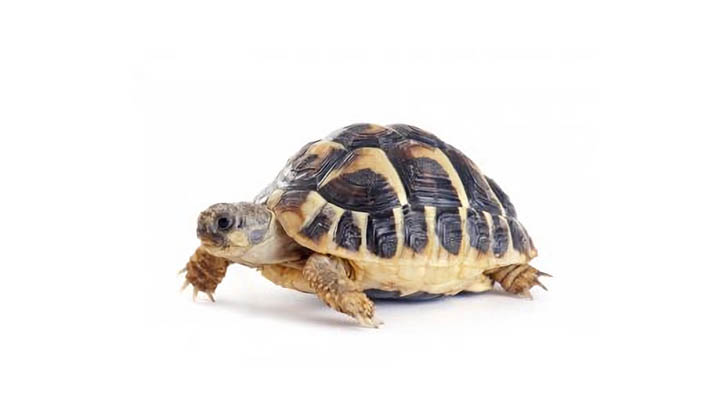
The specific needs of your pet tortoise depend upon which species it is. Accurately identifying the species of your tortoise is very important. If you are unsure about the species you own please book an appointment and bring your pet for a health check.
During the consultation we may be able to identify your tortoise for you, but if not we will take photographs and send them to other experts who can provide further help with identification.
We would normally recommend yearly health checks for your tortoise in order to review the husbandry and management of your pet. Tortoises can often look ‘normal’ even when they are sick therefore our vets may also suggest further diagnostic tests like x-rays or blood testing. If we suspect your tortoise has a problem we can hopefully treat the problems before they become too serious for your pet.
Older Tortoise Health Checks.
If your animal is very old and becoming frail, or has specific healthcare needs, your vet may suggest more frequent checks.
We would normally recommend yearly health checks for your tortoises in order to review the husbandry and management of your pet. Tortoises can often look ‘normal’ even when they are sick therefore our vets may also suggest further diagnostics like x-rays or blood testing if we suspect your tortoise has a problem, so that we can hopefully treat the problems before they become serious for your pet.
As some species can live to be very, very old (for example over 50 years for sulcatas and up to 175 years for aldabras ) and get very, very big ( up to 100 kg for sulcatas and over 300 kg for aldabras ) you should think carefully before taking one on!